
What One Hair Session Did for Ava’s Return to Box Braids

Ava loved her box braids. She’d worn them for six weeks, loved how low-maintenance they were, loved how her hair felt protected underneath them. But when she took them out, she noticed more shedding than she expected — and it worried her mom enough that the two of them decided it was time to talk to a professional before booking the style again.
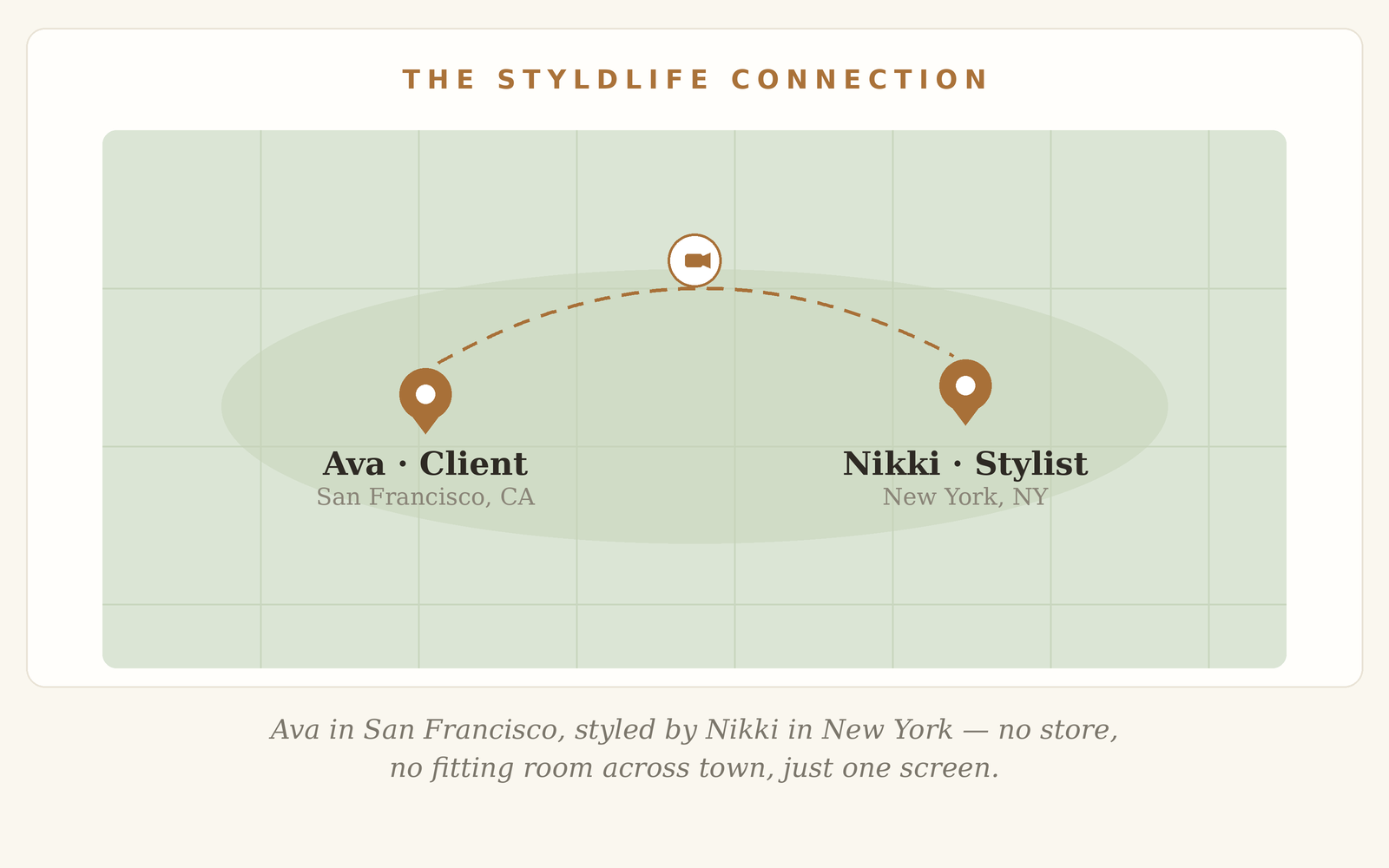
So Ava booked a virtual hair consultation with StyldLife stylist Nikki. The question on the table was simple: is it safe for me to get braids again, or did they cause the damage my mom is worried about?
The Concern
Ava walked Nikki through her hair care routine in detail — wash day every seven days, protein and moisture products rotated based on how her hair was behaving, a wide-tooth comb and detangling brush, air-drying with no heat or color. It was, as Nikki pointed out, a genuinely well-informed regimen. The shedding Ava and her mom had noticed had started months before the braids ever went in, during a stretch that had simply been harder on her overall.
What Nikki Uncovered
Nikki started with the basics that most people never learn: we naturally shed 60 to 100 strands a day as part of the hair growth cycle. Over a six-week style, that adds up — and hair that’s ready to release can tangle onto the strands that are still growing, making a normal amount of shedding look like a lot more when it finally comes out during removal.
She also flagged two things worth ruling out separately from the braids themselves: hydration and nighttime friction. A silk or satin pillowcase (or bonnet that actually stays on) protects hair from the friction of cotton while sleeping — and Ava hadn’t had consistent protection during the exact window the shedding was heaviest.
“Knotless braids are bad for the hair — it depends on how it’s done,” Nikki explained. Knotless braids, done by a specialist who understands proper density control, are actually one of the lighter options for the hair. The key is making sure whoever installs them isn’t overloading each section — too much added hair puts unnecessary weight and tension on the follicle.
The Guidance
Nikki sent Ava into her next braid appointment with a clear plan:
Detangle wet, not dry. Water loosens hair that’s ready to shed, so brushing in the shower — section by section, with a little conditioner for slip — pulls out far less healthy hair than detangling dry.
Book a specialist, not just someone who offers the style. Density control is a specific skill — it’s the difference between braids that protect your hair and braids that stress it.
Real hair over synthetic where possible, to reduce friction and cutting at the strand.
Protein treatment before installation, and another treatment plus a trim after removal — trims first would leave ends too sharp to lay properly under the braid.
Double up on protection at night with both a silk pillowcase and a bonnet that actually stays put.
By the end of the session, Ava had exactly what she came for: a clear, professional answer to the question she and her mom had been going back and forth on. Braids weren’t the problem — and with the right specialist and a little extra care, she could get the style she loved without the worry.
Book a StyldLife Hair Session →
This story reflects a real, paid StyldLife client session. To protect our client’s privacy, the accompanying photograph is a stock image and does not depict the actual client.